How Computer Software Shapes Creativity
In a world where imagination merges with technology, the role of computer software in expanding human expression is undeniable. The digital age has not simply changed the way ideas are shared, it has reconstructed the very frameworks of artistic thought. From painting to music to immersive storytelling, software shapes creativity in profound and unexpected ways.
The Transformation of Artistic Expression
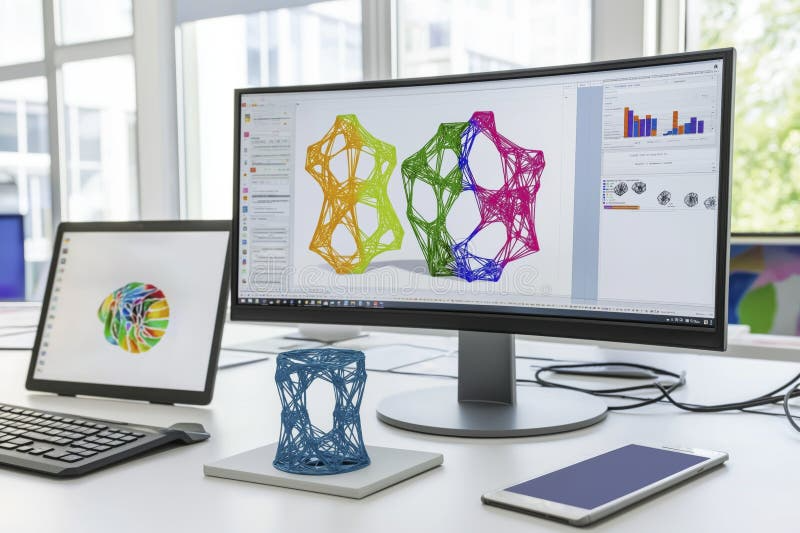
Artists once relied exclusively on tactile mediums, whether brush, pen, or chisel. Today, those same creative spirits find equally compelling outlets in digital design tools. Programs for photo manipulation, 3D rendering, or sound engineering allow ideas to be tested, revised, and perfected without the limitations of traditional materials. This ability to iterate endlessly reshapes the creative process, turning experimentation into a central component of artistic production.
The fluidity of digital platforms reduces barriers to entry. Someone with a modest laptop can access professional-grade instruments of design, sound, or animation. What might once have demanded costly studio equipment now rests at the fingertips of millions. Such accessibility democratizes art, broadening the voices contributing to culture and enabling global collaboration.
Innovation through Software and Imagination
The conversation between imagination and computation has given rise to remarkable forms of expression. Innovation in arts no longer resides solely in the painter’s studio or sculptor’s workshop. Instead, software environments have become laboratories of invention. Digital canvases allow artists to blend photography with generative algorithms, creating hybrid works that transcend conventional genres.
This interplay is not restricted to visual media. Composers experiment with software that generates new harmonies or manipulates acoustic textures previously unimaginable. Writers employ narrative engines that adapt storylines to reader input, crafting experiences closer to living journeys than static texts. Each of these frontiers illustrates how software shapes creativity, not by replacing human insight but by amplifying it.
The Role of Digital Design Tools
Consider the reach of digital design tools across industries. Architects visualize structures in three dimensions long before ground is broken. Game designers construct expansive worlds where interaction replaces observation. Fashion designers simulate fabrics, patterns, and silhouettes in virtual environments before cutting a single piece of cloth.
These tools not only enhance precision but invite imaginative exploration. A designer can rapidly shift color palettes, alter proportions, or manipulate textures without waste. Such flexibility cultivates risk-taking, encouraging creators to push boundaries rather than settle into convention.
Creative Program Solutions in Practice
The variety of creative program solutions available today reflects the boundless appetite for invention. Photo editing software can transform an ordinary snapshot into a surreal composition. Animation suites bring characters to life with unprecedented fluidity. Music production platforms provide soundscapes as rich and intricate as entire orchestras.
Beyond artistry, such solutions infiltrate education, science, and communication. Virtual reality programs allow medical students to rehearse complex surgeries. Data visualization tools translate abstract numbers into stories that stir emotion and understanding. Each application underscores how creativity, when supported by sophisticated software, extends far beyond entertainment or aesthetics.
A New Paradigm of Collaboration
Another profound effect of computer software is its influence on collaboration. Where once geographic barriers curtailed joint projects, now cloud platforms and real-time editing tools make collective creativity seamless. Teams of artists, musicians, or writers may span continents, yet produce unified works through shared digital environments.
This interconnectedness fuels diversity of perspective, merging cultural traditions and distinct worldviews into cohesive pieces. As a result, the artistic landscape grows richer, reflecting the complexity of human experience with greater nuance. The capacity for dialogue, critique, and adaptation within digital spaces epitomizes how software shapes creativity on a global scale.
Challenges and Opportunities
Of course, the rise of digital creativity also presents dilemmas. The abundance of tools can sometimes overwhelm, encouraging reliance on pre-made templates or shortcuts that risk homogenizing artistic output. Intellectual property disputes emerge more frequently as copying and remixing become easier. Additionally, the tactile intimacy of traditional media holds emotional resonance that digital forms may struggle to replicate.
Yet these challenges do not diminish the transformative possibilities. Instead, they invite reflection on how to balance authenticity with technological support. By wielding creative program solutions with intention, artists and innovators can preserve originality while embracing the expansive horizon of digital opportunity.
Looking Forward
The trajectory of creativity in the digital era suggests a continued blurring of boundaries between human ingenuity and computational capability. Artificial intelligence integrated into digital design tools already assists in generating drafts, refining compositions, and predicting stylistic outcomes. While some may fear automation diminishes artistry, the reality points to a different future. Software augments human thought, opening pathways to ideas previously out of reach.
Ultimately, innovation in arts thrives not because software replaces imagination but because it nourishes it. The dialogue between creator and program forms a symbiotic relationship, where vision and technology coalesce into something greater than either alone.
Across disciplines, across cultures, across generations, software shapes creativity by redefining how ideas are conceived, refined, and shared. It provides artists with the latitude to explore, the precision to perfect, and the platforms to connect. As creative program solutions continue to evolve, so too will the possibilities of human expression. The canvas of tomorrow is neither paper nor screen alone, but an expansive digital frontier where imagination meets limitless potential.


