Why Computer Software Drives Innovation
In the ever-evolving landscape of technology, computer software has become a central force shaping the future. From streamlining daily operations to enabling groundbreaking research, software drives innovation in ways that were unimaginable just a few decades ago. The digital era has transformed traditional workflows, turning once-static processes into dynamic platforms for experimentation, creativity, and efficiency. Digital growth engines have emerged, powered by intelligent systems and advanced applications that push industries forward with unprecedented speed.

The Catalyst for Modern Progress
At its core, software is not merely a tool; it is a catalyst for modern program progress. Every line of code represents a potential breakthrough, whether it automates repetitive tasks, improves accuracy, or provides deep analytical insights. Businesses can harness software to identify patterns, predict outcomes, and implement solutions far faster than manual processes ever allowed. These capabilities are vital in sectors ranging from healthcare and finance to education and logistics, where efficiency and accuracy directly impact outcomes.
Accelerating Creativity and Problem-Solving
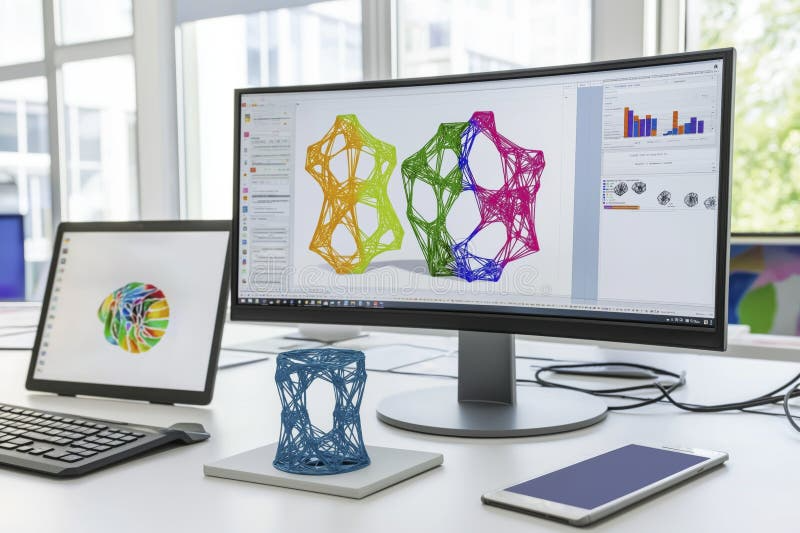
Software drives innovation by freeing human minds from routine tasks and allowing creativity to flourish. Advanced design tools, simulation programs, and analytical software enable professionals to experiment with new ideas without fear of error or resource waste. For instance, engineers can model complex structures digitally, testing resilience and performance before creating physical prototypes. Artists and content creators can explore limitless possibilities in virtual environments, pushing aesthetic boundaries. The combination of automation and intelligent assistance transforms imagination into actionable results.
Building the Digital Infrastructure
The rise of digital growth engines underscores the role of software in constructing the infrastructure of modern innovation. Cloud computing, data analytics platforms, and collaborative tools form interconnected networks that allow teams to share knowledge and coordinate seamlessly across geographies. These platforms make real-time decision-making possible and enhance the scalability of creative projects. Software acts as both the foundation and the framework for digital ecosystems where ideas can be generated, tested, and implemented faster than ever.
Enabling Technology Powered Change
Innovation often emerges where technology intersects with human ambition. Technology powered change is exemplified in software solutions that integrate artificial intelligence, machine learning, and predictive analytics. These programs do not merely execute tasks; they learn, adapt, and optimize operations autonomously. Businesses can anticipate market trends, researchers can discover new scientific patterns, and educators can customize learning experiences in real time. By extending the reach of human capability, software becomes a partner in innovation rather than a passive instrument.
Collaboration and Connectivity
Another dimension of modern program progress lies in its ability to enhance collaboration. Software platforms connect individuals, departments, and even global teams, providing shared workspaces and synchronized tools. Communication, document sharing, and project tracking happen in real time, breaking down barriers that once slowed innovation. Teams can iterate on ideas rapidly, harnessing collective intelligence and diverse perspectives to achieve superior outcomes. Collaboration software ensures that innovation is no longer siloed but communal and scalable.
Data as a Driver
In the age of information, digital growth engines rely on data as a core driver of innovation. Software collects, organizes, and analyzes vast quantities of information, providing actionable insights that guide decision-making. Predictive modeling, trend analysis, and performance tracking allow companies to respond proactively rather than reactively. Data-driven insights enable targeted improvements, creating a feedback loop where each iteration of software use refines processes and fosters further innovation.
Preparing for Future Breakthroughs
The trajectory of software drives innovation shows no sign of slowing. Emerging technologies, including artificial intelligence, augmented reality, and quantum computing, are being integrated into modern programs to create entirely new capabilities. As these tools evolve, they will unlock opportunities previously confined to theoretical speculation. Organizations that embrace technology powered change will lead industries, while those that lag risk obsolescence. Software is not only shaping the present; it is charting the course for future breakthroughs across sectors.
Conclusion
The influence of computer software on innovation is profound and multi-dimensional. Software drives innovation by accelerating productivity, enhancing creativity, and building scalable digital ecosystems. Through digital growth engines, organizations can harness the power of data, collaboration, and automation to create unprecedented outcomes. The continuous advancement of modern program progress and technology powered change ensures that software remains at the heart of innovation, transforming ideas into reality with speed, precision, and creativity.
In today’s world, embracing software as a strategic asset is no longer optional; it is essential for anyone seeking to innovate, lead, and excel in an increasingly digital society.