
Built for the Extreme: A Guide to Selecting the Right Rugged Tablet for Industrial Use
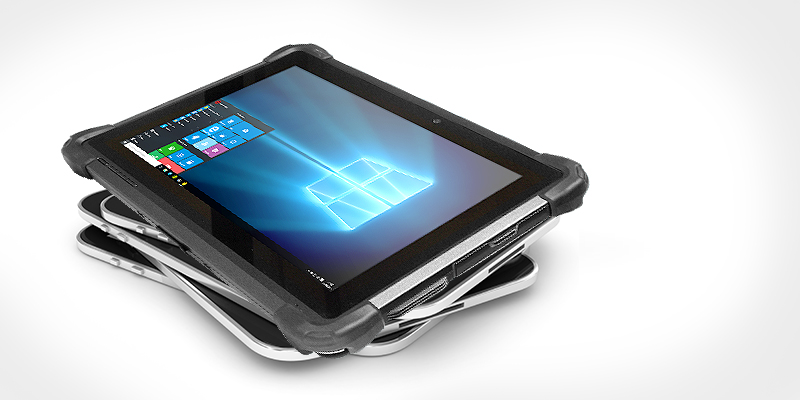
In the modern industrial landscape, the clipboard and pen have largely been replaced by digital interfaces. From the grease-slicked floors of automotive plants to the dust-blown reaches of remote construction sites, data is the lifeblood of productivity. However, a standard consumer tablet is often ill-equipped to survive more than a single shift in these punishing environments. One drop onto concrete or a sudden rainstorm can render a delicate consumer device useless, leading to expensive downtime and lost data. This is where the rugged tablet becomes essential. Choosing the right Exloc Rugged Tablets for Industrial Environments – Intrinsically Safe Tablets, however, requires looking beyond a sturdy case; it involves a deep dive into certifications, hardware capabilities, and long-term integration strategies.
Display Visibility and Touchscreen Technology
In an industrial application, a screen is only useful if it can be read in the current working conditions. Most consumer tablets use screens that wash out under direct sunlight, making them nearly impossible to use outdoors. When selecting a rugged tablet, you must look for high-nit brightness levels—typically 800 nits or higher—and anti-reflective coatings. This ensures that a field technician can read schematics or input data even in the middle of a clear day without having to seek shade.
Furthermore, the type of touchscreen technology matters immensely. In many industrial roles, workers must wear gloves for safety or find themselves working in wet conditions. Standard capacitive touchscreens often fail when they get wet or when operated with thick work gloves. High-quality rugged tablets feature specialized touch controllers that offer glove-on and wet-touch modes. These devices often include a digitizer or a passive stylus for high-precision tasks like capturing digital signatures or interacting with complex CAD drawings. Testing the screen responsiveness under your specific working conditions is a vital part of the vetting process.
Connectivity and Integrated Data Capture
A tablet in the field is often only as good as its connection to the central server. While standard Wi-Fi is sufficient for a warehouse, remote work requires robust cellular connectivity, often including 4G LTE or 5G capabilities. Additionally, many industrial tablets offer dedicated GPS modules that are far more accurate than the location services found in a smartphone. This is critical for asset tracking in large-scale logistics or for mapping utilities in civil engineering projects.
Beyond connectivity, consider what specialized tools can be integrated directly into the tablet. Many industrial workflows require frequent barcode scanning or RFID reading. While a tablet camera can sometimes perform these tasks, a dedicated, integrated 1:D or 2:D barcode scanner is significantly faster and more reliable, especially in low-light conditions or with damaged labels. Some rugged tablets also offer expansion ports for specialized sensors, such as thermal imaging cameras or chemical sniffers, allowing the tablet to become a multi-functional diagnostic tool rather than just a communication device.
Battery Life and Power Management Strategies
In the world of industrial maintenance and field service, a dead battery is a dead stop. Industrial tablets are designed with power management in mind, but the requirements of high-brightness screens and constant cellular data usage can drain energy quickly. Look for tablets that offer hot-swappable batteries. This feature allows a user to remove a low battery and click in a fresh one without having to power down the device or close their current applications.
It is also important to consider the charging infrastructure. In a fleet environment, you want to avoid a situation where dozens of tablets are plugged into individual wall chargers. Professional rugged tablets often have dedicated docking pins rather than just a standard USB-C port, allowing them to be dropped into multi-bay office chargers or ruggedized vehicle docks. These docks not only keep the device charged but can also provide extra ports for keyboards or external monitors, effectively turning the tablet into a workstation when the vehicle is stationary.
Conclusion
Choosing a rugged tablet is a balancing act between physical toughness, specialized functionality, and total cost of ownership. While the initial price of an industrial-grade device is higher than a consumer equivalent, the reduction in replacement costs and the increase in worker uptime provide a clear return on investment. By prioritizing the correct IP and MIL-STD ratings, ensuring high-visibility displays, and selecting integrated tools tailored to your specific workflow, you can equip your team with a device that thrives where others fail.


