
The Future of DIY Gadget Fix Solutions
The reliance on digital devices continues to grow, and with it emerges a pressing question: how will users maintain, restore, and extend the life of their technology in the years ahead? Increasingly, the answer lies in self-sufficiency. The self repair future promises to transform the way individuals interact with their gadgets, shifting the balance from dependence on service centers to empowerment at home.
The Rise of User-Led Repairs
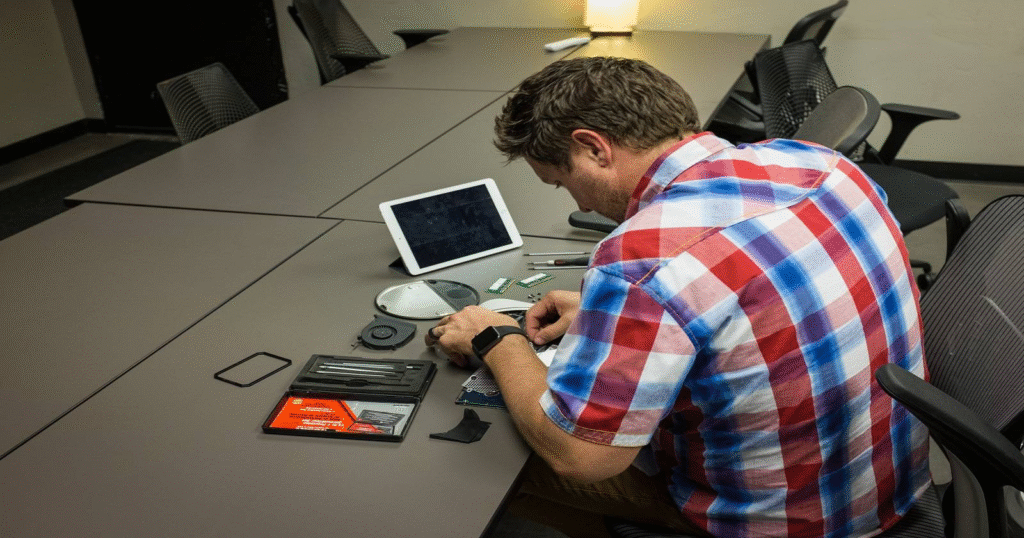
Modern consumers are no longer passive. The ability to diagnose problems and implement solutions independently has become both desirable and feasible. Access to online tutorials, repair kits, and instructional communities paves the way for the future diy fixes movement. With growing awareness of electronic waste and rising repair costs, the appeal of self-directed maintenance has never been stronger.
Governments and advocacy groups are also pushing for “right to repair” legislation, ensuring manufacturers provide access to tools, manuals, and replacement parts. This cultural and legislative momentum signals a fundamental shift. Repairing is no longer a niche practice. It is becoming a norm.
Gadget Repair Trends Shaping Tomorrow
Several gadget repair trends are already visible and point toward long-term transformation. First, modular design is gaining traction. Devices engineered with easily replaceable components simplify the repair process. Batteries, screens, and even processors may one day be swapped out with minimal effort, reducing the need for full replacements.
Second, sustainable practices are influencing consumer expectations. More individuals prefer repairing rather than discarding, both for cost reasons and environmental responsibility. Third, digital platforms offering peer-to-peer repair support are proliferating, connecting novices with experts and accelerating learning.
These trends suggest a future where repair knowledge is widely accessible and where the tools of restoration are integrated into everyday life.
The Emergence of Next Gen Solutions
The landscape is also being shaped by next gen solutions that merge technology with repair culture. Augmented reality applications can guide users step by step, overlaying instructions directly onto the physical device. Imagine pointing a smartphone camera at a malfunctioning laptop and seeing highlighted areas that need adjustment or replacement.
Artificial intelligence contributes by diagnosing problems with remarkable accuracy. Instead of guessing whether an issue stems from hardware or software, AI-driven tools can run diagnostics and recommend clear actions. This precision reduces uncertainty and empowers even beginners to attempt repairs confidently.
Meanwhile, 3D printing offers the ability to produce replacement parts on demand. Rather than waiting for a manufacturer to supply a small component, users could print it themselves. These innovations redefine the boundaries of possibility, making the self repair future both practical and compelling.
Challenges Along the Path
The journey toward widespread DIY repair is not without obstacles. Manufacturers often design gadgets with sealed enclosures, proprietary screws, or integrated parts that discourage tampering. Limited access to authentic replacement components can also hinder progress. Furthermore, some repairs, especially involving delicate electronics or lithium-ion batteries, pose safety risks if attempted without proper training.
Still, these barriers are steadily being addressed. Advocacy for open design standards grows stronger, and companies aware of consumer demand are beginning to adapt. As tools become safer and instructions more precise, the risks diminish while opportunities expand.
Cultural Impact of Repair Empowerment
The shift toward future diy fixes represents more than practicality. It embodies a cultural transformation where users reclaim agency over their technology. Repair becomes not only a cost-saving measure but also a statement of independence and environmental stewardship.
Communities built around sharing repair experiences strengthen this culture. Online forums, instructional videos, and repair cafés foster collaboration and knowledge exchange. These interactions make gadget repair trends more than isolated practices, they create a global movement centered on responsibility and resourcefulness.
Looking Toward a Self Repair Future
The vision of the self repair future intertwines innovation, sustainability, and accessibility. Consumers will increasingly expect devices to be repairable, supported by transparent instructions and accessible parts. Manufacturers that embrace this shift will find stronger loyalty among eco-conscious and cost-conscious users alike.
In this future, repairs will no longer feel intimidating. They will be integrated into the rhythm of ownership, as routine as updating software or charging a battery. With the aid of next gen solutions like augmented reality guidance, AI diagnostics, and 3D-printed components, individuals will view repair not as a burden but as a natural extension of using technology.
The future of DIY gadget repair is not distant speculation. It is unfolding now, propelled by technological progress, social demand, and cultural change. From gadget repair trends like modular design and sustainability to next gen solutions that empower even novices, the momentum is undeniable.
The promise of future diy fixes lies not only in convenience but in a deeper relationship with technology, one marked by autonomy and care. By embracing this self repair future, society moves closer to a sustainable, innovative, and user-driven digital era where devices are not disposable but enduring companions.


