
Top Features in Modern Computer Software
In the evolving landscape of technology, computer software is no longer a simple tool for basic tasks. Today’s programs are sophisticated ecosystems designed to enhance productivity, streamline workflows, and foster creativity. Understanding the modern software features that define this evolution can empower users and businesses alike to maximize their digital potential.
Seamless User Interfaces
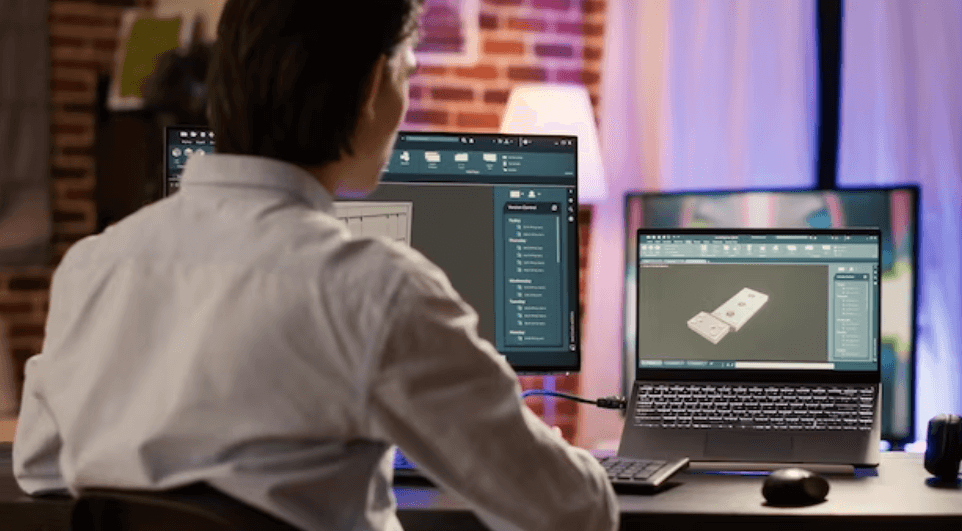
One of the most noticeable modern software features is the emphasis on intuitive and seamless user interfaces. Software developers now prioritize user experience, ensuring that even complex programs are navigable and visually coherent. Drag-and-drop functionalities, customizable dashboards, and context-sensitive menus make it easier for users to complete tasks efficiently. Such thoughtful design reduces learning curves and minimizes operational friction, allowing professionals to focus on their goals rather than on figuring out how the software works.
Automation and Intelligent Tools
Another standout in top program functions is automation. Modern software increasingly incorporates intelligent algorithms to automate repetitive tasks. From scheduling emails to auto-generating reports, automation reduces manual intervention and boosts productivity. Intelligent program tools can also predict user needs, offering suggestions based on past behavior. This combination of foresight and efficiency is a hallmark of cutting-edge software, allowing users to accomplish more with less effort.
Integration and Interoperability
In today’s digital ecosystem, isolated software solutions are becoming obsolete. Modern software features often include robust integration capabilities, enabling seamless interaction with other applications. Cloud connectivity, API support, and cross-platform compatibility allow data to flow smoothly between systems. This interoperability ensures that whether a business is using accounting tools, project management software, or communication platforms, all programs can work in harmony. Such synergy amplifies operational efficiency and minimizes the risk of data silos.
Advanced Security Measures
Security has become a critical component of top program functions. Modern software integrates encryption, two-factor authentication, and real-time threat detection to protect sensitive data. With cyber threats growing more sophisticated, these protective measures are not just optional—they are essential. Users can now rely on software that safeguards information while maintaining performance, ensuring confidence in both personal and professional digital interactions.
Customization and Flexibility
No two users are the same, and software reflects this through customization options. Modern software features often include modular structures, flexible settings, and adaptive interfaces. Users can tailor software to fit their workflows, whether by configuring toolbars, creating templates, or adjusting notification preferences. This flexibility enhances usability and allows software to align with individual and organizational needs, rather than forcing users to adapt to rigid structures.
Analytics and Insight Tools
Data is at the core of modern decision-making, and software has adapted to this reality with advanced analytics tools. Digital innovation highlights include dashboards, real-time metrics, and predictive analytics. Users can track performance, analyze trends, and make informed decisions faster than ever before. By turning raw data into actionable insights, software transforms information into a strategic asset, empowering both individuals and businesses to act with confidence.
Collaboration Capabilities
Modern work environments demand connectivity, and software is rising to meet that need. Collaborative features such as shared workspaces, version control, and instant messaging are now standard in many applications. These top program functions ensure that teams can work together seamlessly, whether they are in the same office or scattered across the globe. Collaboration tools increase productivity, enhance communication, and support dynamic workflows in ways that were unimaginable a decade ago.
Continuous Updates and Innovation
One of the most exciting aspects of digital innovation highlights is the pace of technological evolution. Modern software often receives continuous updates that introduce new features, improve performance, and address security vulnerabilities. Users benefit from a constantly improving product, and developers can incorporate feedback to refine functionality. This cycle of innovation ensures that software remains relevant and capable of meeting the changing demands of users.
AI and Machine Learning Integration
Artificial intelligence and machine learning are no longer futuristic concepts—they are integral modern software features. These technologies enable software to learn from data, adapt to user behaviors, and provide predictive insights. From intelligent email sorting to advanced recommendation engines, AI-driven features enhance efficiency, personalize experiences, and open new possibilities for creative problem-solving.
Conclusion
Modern software features are designed to empower users, streamline operations, and support innovative thinking. By integrating automation, security, analytics, and collaborative tools, today’s programs provide more than just basic functionality—they offer a comprehensive platform for productivity and growth. The top program functions showcase how far technology has evolved, while digital innovation highlights reveal the limitless potential for future developments.
Embracing these technology improvements allows individuals and organizations to work smarter, adapt faster, and stay ahead in an increasingly digital world. Modern software is not just a tool—it is a transformative force shaping the way we interact with information, connect with others, and achieve our goals.


