
Why Gadget Fix Saves You Time and Money
In a fast-moving world where devices power nearly every aspect of life, malfunctions can feel like significant setbacks. Smartphones, laptops, tablets, and small accessories all contribute to daily productivity, yet they are not immune to wear and tear. Replacing these items at the first sign of trouble may seem convenient, but it is rarely the most practical choice. Learning how to manage repairs strategically demonstrates how a save time repair approach not only restores functionality but also preserves resources.
The Immediate Benefits of Repair
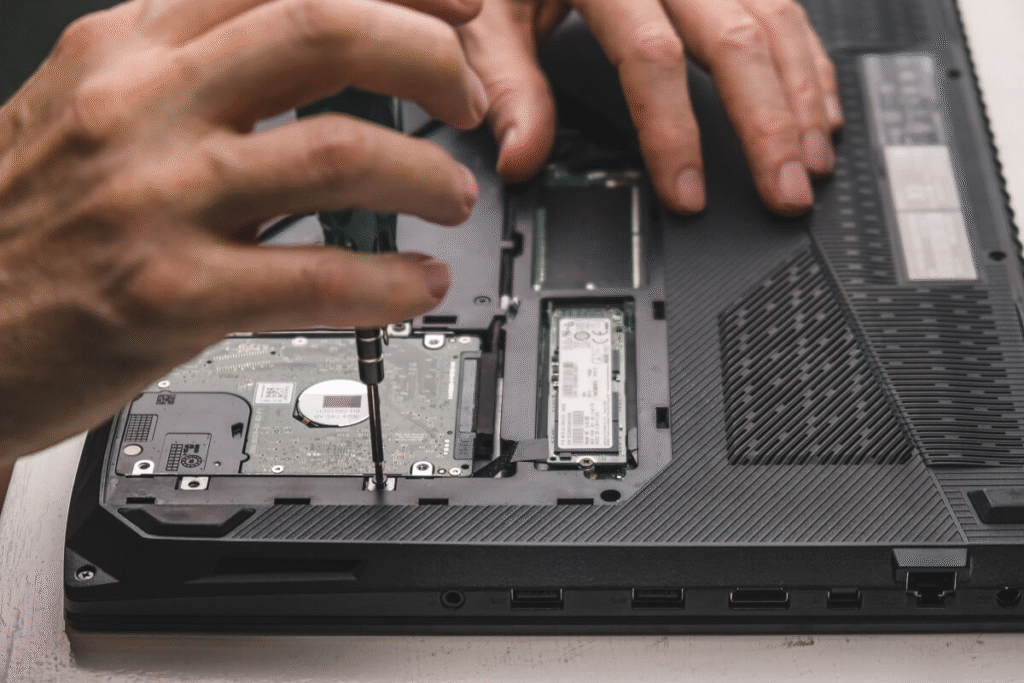
Repairing a device often takes far less time than sourcing a new replacement. Consider the process of purchasing a new phone. Researching models, comparing specifications, transferring data, and reconfiguring apps consumes hours, sometimes days. By contrast, addressing a charging port issue, replacing a battery, or recalibrating software often takes less than an afternoon. This ability to execute a save time repair strategy minimizes downtime and keeps essential tools operational with minimal disruption.
The financial side is equally compelling. Simple adjustments such as cleaning dust from vents, replacing damaged cables, or patching a cracked screen fall into the category of money saving fixes that eliminate the need for expensive new purchases. When practiced regularly, these interventions reduce the overall cost of maintaining technology.
Understanding the Value of Repairs
There is a deeper logic to repairing rather than discarding. Devices represent both financial investment and environmental cost. Extending their lifespan by even a year creates measurable benefits. This is the essence of gadget fix value, where the true worth of repair is recognized not just in immediate savings but also in sustainability.
Every repaired device diverts electronic waste from landfills and lessens demand for new raw materials. For professionals, it also means continuity. A familiar device that continues to perform avoids the learning curve of adapting to unfamiliar systems. The value extends beyond money, encompassing efficiency, environmental responsibility, and peace of mind.
Practical Repair Efficiency Tips
Effectiveness in repair is often a matter of preparation and awareness. Keeping basic tools, such as a precision screwdriver set, microfiber cloth, and compressed air, enables swift responses to common problems. Knowing how to perform safe resets, clear cache memory, or replace easily accessible parts ensures confidence in handling minor malfunctions. These are prime examples of repair efficiency tips that streamline problem-solving.
For instance, when laptops slow down, uninstalling redundant programs or upgrading to a solid-state drive often provides immediate improvement. Smartphones that overheat can often be restored by closing unused apps and ensuring background processes are limited. These small steps save time, extend longevity, and prevent bigger issues from developing.
The Role of Preventive Measures
Repair does not always mean responding to a crisis. Preventive action is just as critical. Regular cleaning of vents prevents overheating, while proper cable storage reduces fraying and breakage. Installing protective cases and screen guards reduces the frequency of cracks and scratches. Practiced consistently, these repair efficiency tips reduce the need for emergency intervention and allow devices to remain reliable companions over the long term.
Preventive strategies align perfectly with money saving fixes. By avoiding costly breakdowns through consistent care, individuals eliminate unnecessary expenses while preserving both time and productivity.
Professional Repairs Versus DIY
Not every problem requires professional intervention, yet some do. Recognizing the distinction is key to both safety and efficiency. For simple issues like keyboard cleaning, battery swaps, or operating system updates, a do-it-yourself approach is effective. For more complex problems involving internal circuitry or swollen batteries, professional repair services provide safer and more reliable solutions.
Here lies another aspect of gadget fix value. Seeking help at the right moment prevents further damage, which could make the device irreparable. A balance between DIY and expert support maximizes results while keeping costs manageable.
Time and Money in Balance
The decision to repair a device reflects more than practicality. It is a statement about priorities. Choosing to repair shows that one values efficiency, continuity, and sustainability over unnecessary consumption. It demonstrates how a save time repair approach complements money saving fixes, creating a rhythm of ownership that emphasizes utility and responsibility.
The result is a cycle where devices serve longer, expenses decrease, and time once lost to replacement processes is preserved. Repair becomes not only a technical action but also a lifestyle habit that aligns with long-term goals.
Every device holds more potential than its first breakdown suggests. By applying repair efficiency tips and embracing the philosophy of extending rather than replacing, individuals discover the full breadth of gadget fix value. Whether through quick adjustments, preventive measures, or professional assistance, the outcome is consistent: less waste, less expense, and more time preserved.
Ultimately, money saving fixes combined with a thoughtful save time repair strategy prove that repairing gadgets is not just about convenience. It is about reclaiming control over technology, ensuring that it serves faithfully without draining resources or consuming unnecessary time. In a fast-paced world, that balance is not only valuable but essential.


